
Heel Pain: Causes, Symptoms and Treatments
Symptoms
- ✓Pain under the heel with the first steps of the morning
- ✓Sharp pain during prolonged walking
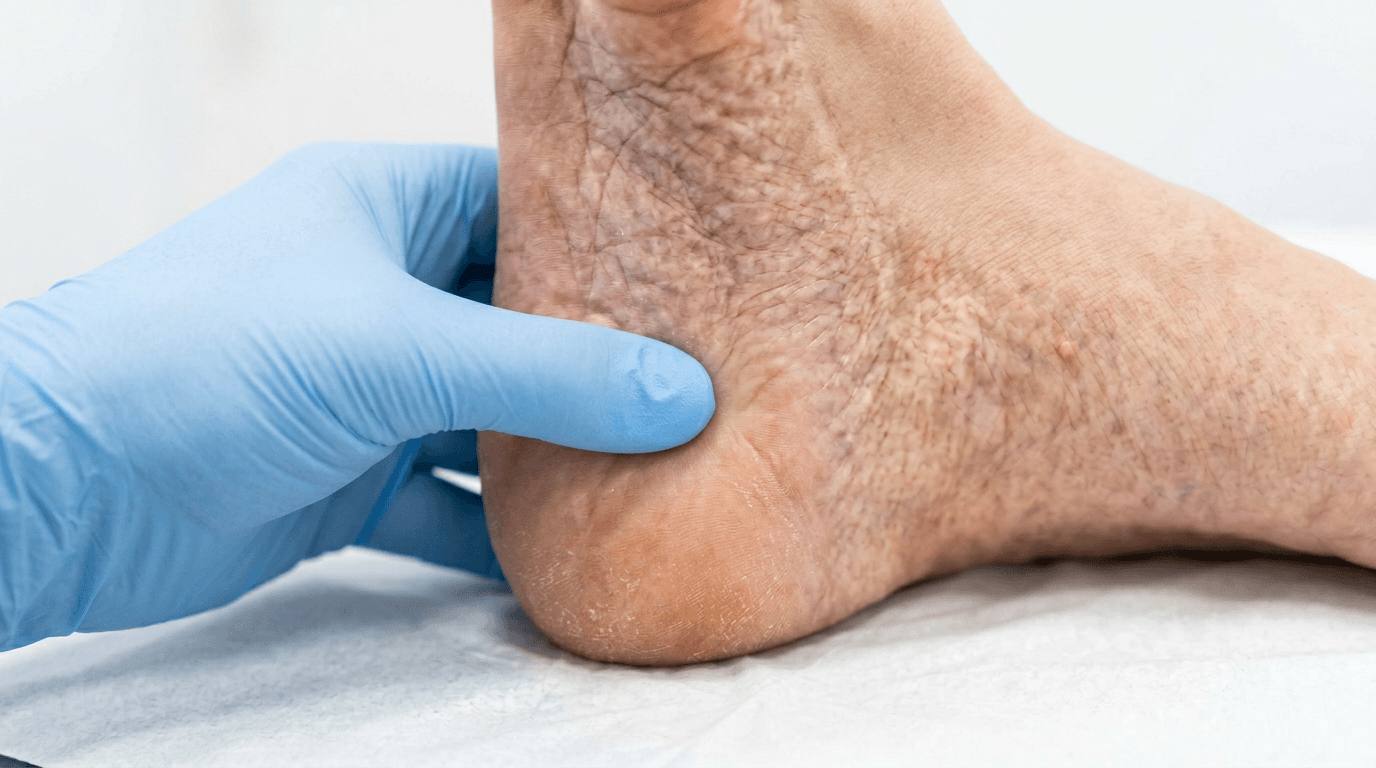
- ✓Tenderness when palpating the heel
- ✓Swelling or redness around the heel
- ✓Pain that increases at the end of the day
Treatments
- ✓Custom foot orthotics
- ✓Shockwave therapy
- ✓PRP treatment
- ✓Therapeutic taping
What is heel pain?
Heel pain (talalgia) is one of the most common reasons for consultation in podiatry. It can affect the bottom of the heel, the back, or the surrounding area, and results from various causes ranging from plantar fasciitis to heel spurs, Achilles tendinitis, or stress fractures.
At our Laval clinic, we treat patients suffering from heel pain on a daily basis. An accurate diagnosis is essential, as treatment depends directly on the underlying cause.
Common causes of heel pain
Causes under the heel
- Plantar fasciitis: inflammation of the plantar fascia, responsible for the majority of pain under the heel
- Heel spur: bony growth on the calcaneus, often associated with chronic fasciitis
- Plantar fat pad atrophy: thinning of the fatty cushion under the heel, more common with age
- Calcaneal stress fracture: microfracture related to overtraining or osteoporosis
Causes at the back of the heel
- Achilles tendinitis: inflammation of the tendon connecting the calf to the heel
- Haglund's deformity: bony bump at the back of the calcaneus causing irritation
- Retrocalcaneal bursitis: inflammation of the bursa between the Achilles tendon and the bone
Symptoms to watch for
Heel pain symptoms vary depending on the cause but generally include:
- Morning pain: sharp pain with the first steps, characteristic of plantar fasciitis
- Pain during exertion: worsening during walking, running, or prolonged standing
- Localized tenderness: a precise painful point when palpating the heel
- Stiffness: sensation of stiffness in the heel and ankle, especially after rest
Diagnosis at our clinic
Our team of podiatrists in Laval performs a comprehensive evaluation including:
- Clinical examination: palpation, mobility tests, and pain assessment
- Biomechanical analysis: gait and posture study to identify imbalances
- Imaging: X-ray to detect a heel spur or fracture, ultrasound to assess soft tissues
Heel pain treatments
Custom foot orthotics
Custom foot orthotics correct biomechanical abnormalities, redistribute pressure, and support the arch of the foot. They are the foundational treatment for the majority of heel pain conditions.
Shockwave therapy
Extracorporeal shockwave therapy stimulates tissue regeneration and reduces inflammation. This treatment is particularly effective for chronic pain resistant to conservative approaches.
PRP treatment
Platelet-rich plasma accelerates healing of damaged tissues by using the natural growth factors from your own blood.
Therapeutic taping
Taping provides temporary support to the fascia and reduces tension on the heel during the acute phase of treatment.
Prevention
- Wear shoes that offer good arch support and heel cushioning
- Regularly stretch your calves and plantar fascia
- Gradually increase the intensity of your physical activities
- Maintain a healthy weight to reduce pressure on your heels
- See a podiatrist at the first signs of persistent pain
Frequently Asked Questions
Why does my heel hurt in the morning?
Morning heel pain is often caused by plantar fasciitis. During the night, the fascia contracts while at rest. With the first steps, it is subjected to a sudden stretch, which causes sharp pain under the heel. This symptom is a clear signal that you should see a podiatrist.
When should I see a podiatrist for heel pain?
See a podiatrist if the pain has persisted for more than two weeks, if it limits your daily activities, or if it is accompanied by swelling. Early diagnosis helps prevent the problem from becoming chronic and greatly facilitates treatment.
How can I quickly relieve heel pain?
While waiting for your appointment, apply ice for 15 minutes several times a day, stretch your calves and plantar fascia, and wear shoes with good support. However, these measures do not replace podiatric treatment tailored to the cause of your pain.
This content is for informational purposes and does not replace a professional consultation.